
Type 1 Diabetes in Children: A Complete Guide for Parents and Caregivers
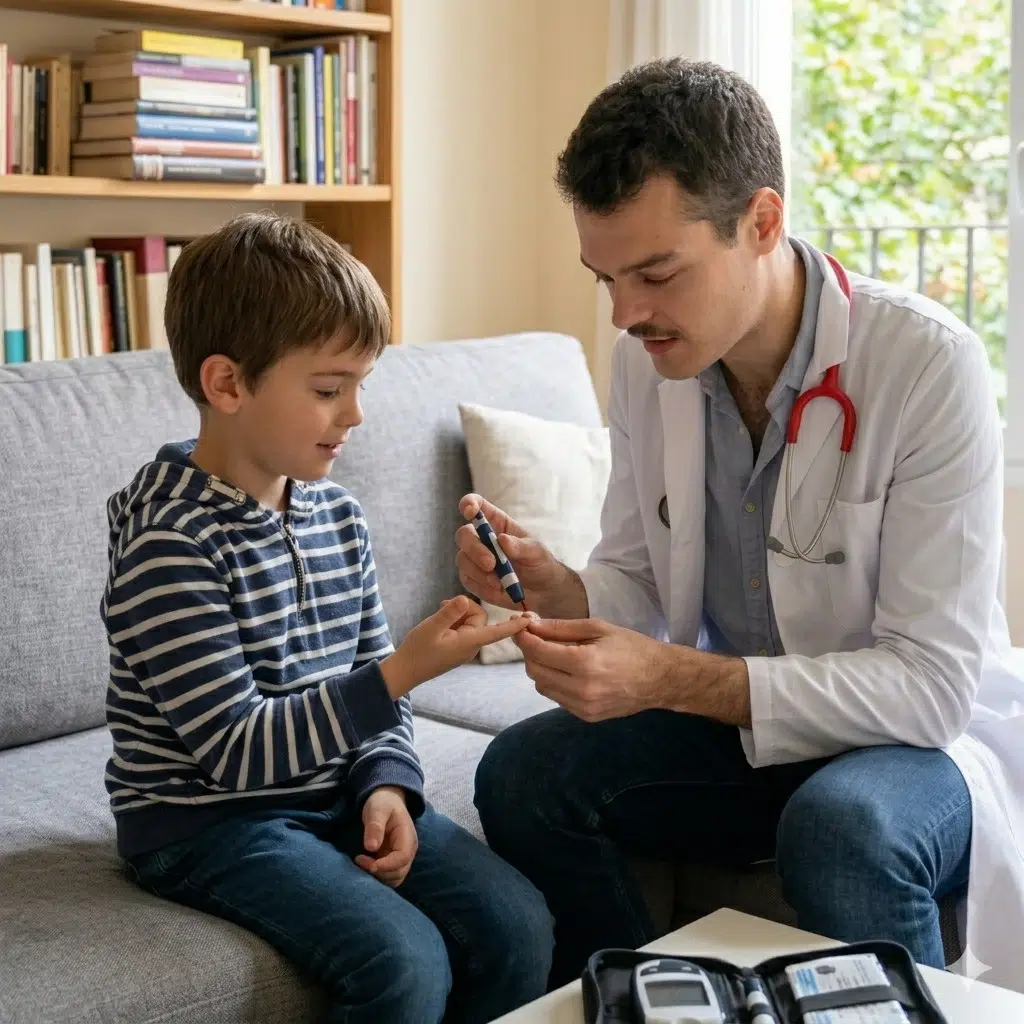
Type 1 diabetes is a chronic condition that frequently affects children and adolescents. It is characterized by insufficient production of insulin, the hormone that allows glucose (sugar) to move from the bloodstream into the cells to produce energy. Without insulin, glucose levels rise in the blood, causing clear symptoms and requiring immediate treatment.
What is type 1 diabetes in children?
Type 1 diabetes is an autoimmune disease in which the immune system mistakenly destroys the beta cells of the pancreas, the cells responsible for producing insulin. The lack of insulin leads to hyperglycemia (high blood sugar levels), which, if left untreated, can cause both acute and long-term complications.
Unlike type 2 diabetes, where the body develops resistance to insulin, in type 1 diabetes the body produces little or no insulin, so treatment requires lifelong insulin therapy.
Symptoms of type 1 diabetes in children
Symptoms may appear rapidly, over a few days or weeks, and commonly include:
Excessive thirst and increased fluid intake (polydipsia)
Frequent urination, including bedwetting in children who were previously dry at night
Increased hunger (polyphagia) accompanied by unexplained weight loss
Fatigue or unusual tiredness, even without significant physical effort
Blurred vision, irritability, or behavioral changes
Other less common signs may include nausea, abdominal pain, or fruity-smelling breath, particularly in cases of diabetic ketoacidosis, a serious complication if untreated.
At first, these signs may be mistaken for flu-like symptoms or general childhood fatigue. Careful observation and prompt medical evaluation are essential if several of these symptoms appear together.
How is type 1 diabetes diagnosed?
The diagnosis of type 1 diabetes is made through specific blood glucose tests that measure blood sugar levels under different conditions. These tests confirm the presence of chronic hyperglycemia, a key feature of the disease.
Fasting Plasma Glucose (FPG)
One of the most common initial screening tests. It measures blood glucose after at least eight hours of fasting (usually overnight).
A result of 126 mg/dL or higher on two separate occasions is diagnostic of diabetes.
Random Blood Glucose Test
This test measures glucose levels at any time of day, regardless of when the person last ate.
If a child has classic diabetes symptoms (such as frequent urination, excessive thirst, and unexplained weight loss) and a random glucose level of 200 mg/dL or higher, diabetes can be diagnosed.
Hemoglobin A1c (HbA1c)
This test is used both for diagnosis and long-term monitoring.
It reflects the average blood glucose level over the previous two to three months by measuring the percentage of hemoglobin coated with glucose.
An A1c value of 6.5% or higher indicates diabetes.
Consistently high values in these tests, together with typical symptoms, usually confirm the diagnosis. However, because type 1 diabetes is an autoimmune condition, additional tests are often performed to differentiate it from other types of diabetes.
Autoantibody testing
These tests detect antibodies that mistakenly attack insulin-producing beta cells in the pancreas. Common antibodies include:
Anti-GAD antibodies (glutamic acid decarboxylase)
Insulin autoantibodies (IAA)
Islet cell antibodies (ICA)
Zinc transporter 8 antibodies (ZnT8)
The presence of these antibodies confirms the autoimmune nature of type 1 diabetes.
C-peptide test
This test measures C-peptide, a substance released into the blood in the same amount as insulin.
Very low or undetectable levels indicate that the pancreas produces little or no insulin, which is typical of type 1 diabetes.
Assessment of complications
After diagnosis, additional tests may evaluate:
Kidney function (microalbuminuria, creatinine)
Vision
Blood lipid levels (cholesterol)
These help detect or prevent diabetes-related complications.
How is type 1 diabetes treated?
Treatment is lifelong and essential to prevent short- and long-term complications. Management involves integrating diabetes care into the daily life of the child and family.
Treatment is based on three main pillars: insulin therapy, glucose monitoring, and education.
Insulin administration: replacing what the body no longer produces
Since the pancreas no longer produces sufficient insulin, children must receive insulin externally. The goal is to mimic the natural insulin release pattern of a healthy pancreas and keep blood glucose levels within a target range (typically 80–180 mg/dL, although this may vary).
Two main methods are used:
Multiple Daily Injections (MDI)
A traditional and effective method using two types of insulin:
Basal insulin (long-acting): one or two daily injections providing continuous background insulin
Bolus insulin (rapid-acting): taken before meals to manage the rise in blood glucose after eating and to correct high glucose levels
Insulin pump (Continuous Subcutaneous Insulin Infusion – CSII)
A small programmable device that delivers rapid-acting insulin through a tiny catheter placed under the skin.
The pump provides:
Basal rate: continuous small insulin doses adjusted throughout the day
Bolus doses: administered before meals or to correct high glucose levels
This method allows greater flexibility and precision in insulin dosing.
Frequent glucose monitoring
Regular monitoring is essential to adjust insulin doses, diet, and physical activity.
Traditional glucose meters
Require a finger-prick blood sample placed on a test strip. While accurate, they can be uncomfortable when performed multiple times per day.
Continuous Glucose Monitoring (CGM)
A more advanced technology that measures glucose levels in the interstitial fluid every few minutes, 24 hours a day.
A small sensor placed on the skin sends readings to a receiver or smartphone.
Benefits include:
Real-time glucose trends
Direction arrows showing whether glucose is rising or falling
Alerts for high or low glucose levels
Insulin dosing and monitoring must constantly adapt to the child’s diet, activity level, stress, and illness.
Education and nutritional support
Management of type 1 diabetes involves lifestyle and educational components:
Carbohydrate counting: families learn to estimate carbohydrates in meals to adjust insulin doses correctly
Physical activity: exercise is beneficial but may lower blood sugar, requiring adjustments in insulin or additional carbohydrate intake
Emergency management: families must know how to treat hypoglycemia (low blood sugar) and prevent or manage diabetic ketoacidosis
A balanced diet, regular physical activity, and insulin adjustments are essential parts of daily care.
Pediatric endocrinology care and home visits in Madrid
Managing type 1 diabetes requires ongoing follow-up by a pediatric endocrinologist, a specialist in hormonal and metabolic disorders in children.
This specialist oversees:
Individualized insulin adjustments
Monitoring of glucose and metabolic parameters
Family education on home management, illness management, and school planning
Our team offers pediatric endocrinology home visits in Madrid for families who need greater convenience or personalized support.
This service is especially valuable for:
Children with mobility difficulties or anxiety about medical visits
Support during treatment adjustments
Practical education and guidance for daily diabetes management
Why is early diagnosis important?
Early diagnosis and treatment of type 1 diabetes in children can:
Prevent serious complications such as diabetic ketoacidosis
Improve long-term metabolic control
Reduce hospitalizations and improve quality of life
If symptoms suggest diabetes, prompt medical evaluation by a healthcare professional and endocrinology assessment are crucial.
Type 1 diabetes in childhood is a chronic autoimmune condition characterized by insufficient insulin production. Symptoms often develop quickly and may include excessive thirst, frequent urination, weight loss, and fatigue.
Managing the condition requires lifelong insulin therapy, continuous monitoring, and a multidisciplinary care plan.
Having a pediatric endocrinologist who guides and supervises treatment—and who can even provide home visits in Madrid—can be a great advantage for families seeking personalized and continuous care.

