
How can you tell if a cough is viral or bacterial?
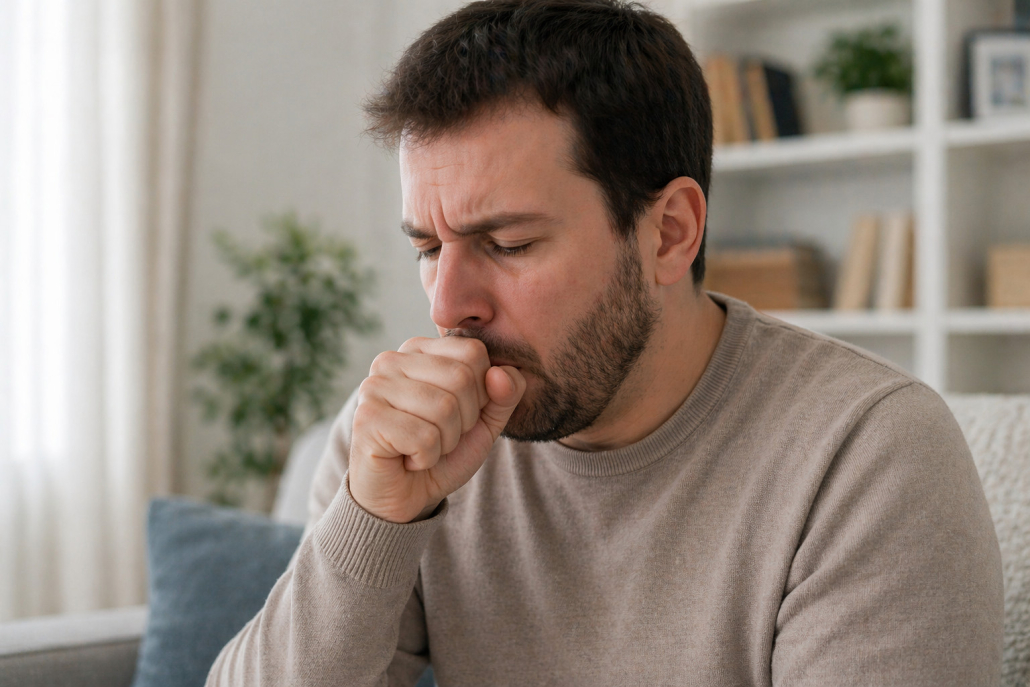
Coughing is a natural defence mechanism that helps clear the airways, but its cause can vary. In most cases—especially in children—it is caused by viruses such as the common cold, although in some instances it may be due to bacterial infection.
What is the difference between a viral cough and a bacterial cough?
Cough can be differentiated by its underlying cause (viral or bacterial), which determines the appropriate treatment:
- Viral cough is caused by common viruses (such as rhinovirus or influenza). It is self-limiting (resolving on its own within a few days to up to two weeks) and usually presents with mild to moderate symptoms. Treatment is supportive, including rest, adequate hydration, and simple analgesics. It is the most common type.
- Bacterial cough is caused by bacteria (such as Streptococcus or Bordetella). It may occur as a secondary infection and, if left untreated, can become potentially serious (for example, progressing to pneumonia). It requires specific treatment with antibiotics, always prescribed by a doctor.
Antibiotics are only effective against bacteria, not viruses. Their use in viral cough is unnecessary and contributes to antibiotic resistance. Correctly identifying the cause is essential for responsible and appropriate treatment.


What are the symptoms of a viral cough?
A viral cough typically occurs in the context of a common cold or a mild respiratory infection.
It usually presents with the following common features:
- Duration of 3 to 10 days, with gradual improvement
- Clear or whitish mucus
- Mild fever or no fever
- Nasal congestion and sore throat
- Mild general discomfort
In many cases, the cough may persist for a few additional days as a residual or post-viral cough, which does not indicate a serious condition.
What are the symptoms of a bacterial cough?
A bacterial cough usually appears as a complication or a more severe infection.
The most common warning signs include:
- Duration longer than 10 days without improvement
- Persistent high fever (above 38–38.5°C)
- Thick, yellow or green mucus
- Chest pain when coughing
- Shortness of breath or a feeling of breathlessness
It is important to note that the colour of mucus alone does not confirm a bacterial infection, as it can also occur in viral infections.
To help with identification, the following table summarises the main differences:
| Feature | Viral | Bacterial |
|---|---|---|
| Duration | Improves within a few days | Persists or worsens |
| Fever | Mild or absent | High and prolonged |
| General condition | Mildly affected | More pronounced unwell feeling |
| Course | Gradual improvement | Worsens or does not improve |
When can a viral cough become complicated?
A bacterial superinfection is a serious complication, commonly occurring after viral infections (particularly respiratory ones), when bacteria take advantage of a weakened immune system.
The risk is higher in young children, older adults, and immunocompromised individuals (due to chronic conditions such as diabetes, COPD, heart disease, or certain treatments).
A key clinical warning pattern is the so-called “double worsening”: initial improvement from the viral illness followed by a sudden deterioration. Important signs include:
- Recurrence of high, persistent fever (>38.5°C)
- Worsening cough
- Changes in secretions, which become thick and yellow, green, or rust-coloured (suggesting the presence of pus)
This progression is not self-limiting and requires urgent medical assessment. It demands careful differential diagnosis and, most importantly, appropriate antibiotic treatment to prevent serious complications such as pneumonia or sepsis.
Self-medication is strongly discouraged, as it increases the risk of antibiotic resistance.
