
How to Properly Care for Your Newborn’s Umbilical Cord

Dr. Isabel Miras Aguilar, Neonatology Specialist
What Is the Umbilical Cord and Why Is Proper Care Important?
The umbilical stump is what remains after the umbilical cord is cut following birth. During pregnancy, the cord serves as a vital connection between mother and baby, carrying nutrients and oxygen. It forms within the first weeks of gestation.
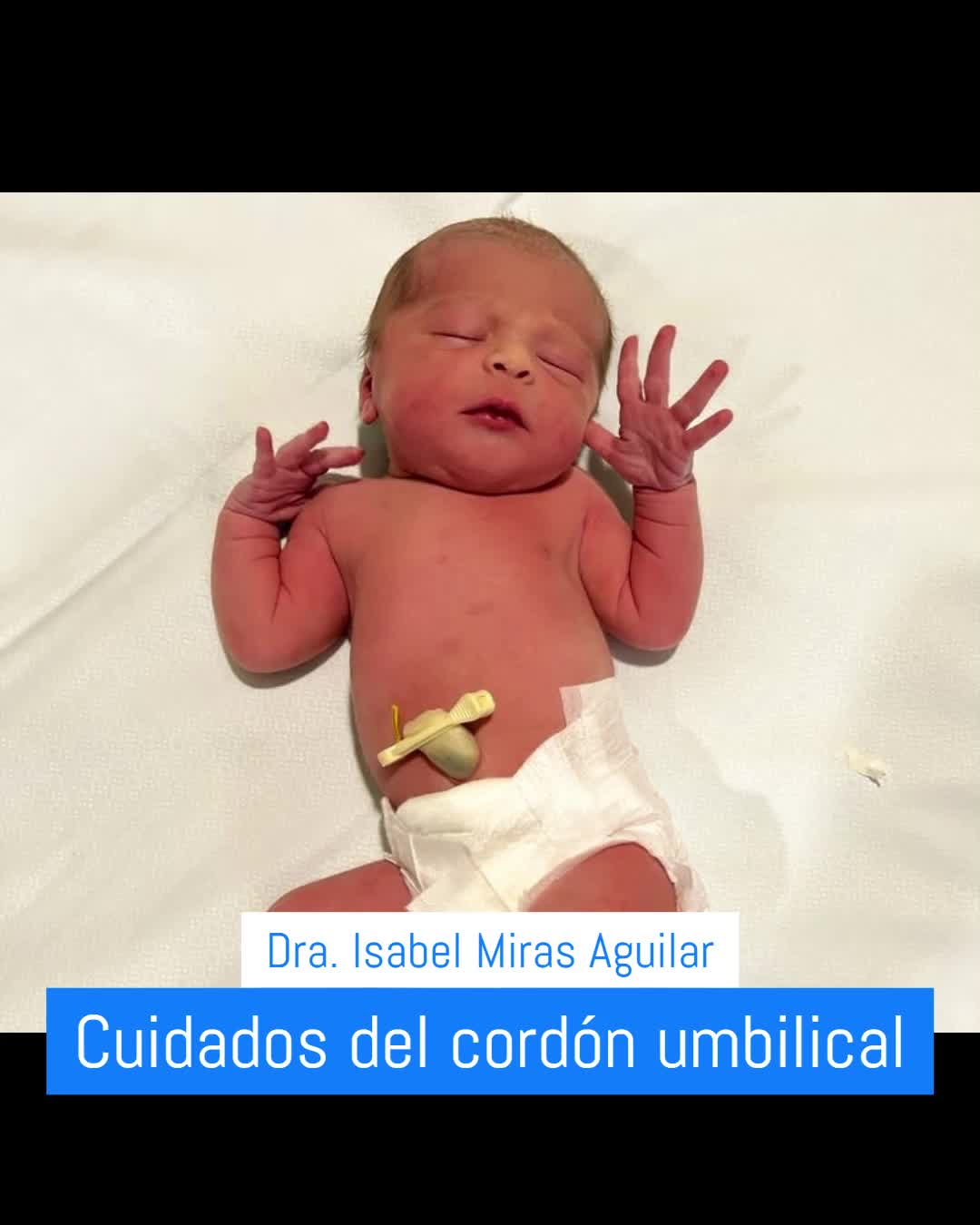
After birth, once the baby begins breathing independently and the blood flow through the cord has slowed or stopped, the cord is clamped and cut. This procedure is painless, as the cord has no nerves. The remaining stump, usually about 2–3 centimeters long, will dry out and fall off naturally within days or weeks.
Keeping the umbilical cord clean and dry is crucial to prevent infections. Once cut, it becomes a potential entry point for bacteria. Moisture encourages bacterial growth, increasing the risk of a local infection known as omphalitis. This can cause redness, swelling, pus, and an unpleasant odor around the stump. If untreated, the infection can spread, so good hygiene and thorough drying are the best preventive measures.
When to Expect the Umbilical Cord to Fall Off?
The umbilical cord usually falls off naturally between 5 and 15 days after birth. This is a normal process and part of your baby’s adjustment to life outside the womb.
During this period, parents may notice the following changes:
Color change: The cord, initially whitish or bluish, gradually turns yellow, brown, and finally black as it dries. This color change shows that it’s healing.
Gradual drying: The cord becomes dry, hard, and stiff — a sign that the blood vessels are closing and it’s no longer needed for nutrition or oxygen.
Never try to pull or remove the cord. It will fall off on its own when ready. Meanwhile, keep the area clean and dry. If you notice redness, swelling, pus, bad smell, or if the cord hasn’t fallen off after 2–3 weeks, contact your pediatrician.
Step-by-Step Umbilical Cord Cleaning
Cleaning your baby’s umbilical cord is simple but essential for proper healing and infection prevention. Follow these steps:
Wash your hands thoroughly before touching the area.
Clean only if dirty: Use lukewarm water and mild soap. Avoid harsh products like alcohol.
Dry carefully: Let the area air dry for a few minutes or gently pat it with a clean gauze.
Keep the cord above the diaper: Fold the diaper’s upper edge so it doesn’t cover or rub the stump.
Bath time: You can bathe your baby normally or use a sponge bath. Afterward, always dry the cord area thoroughly.

Dry Care vs. Antiseptic Use
Current medical evidence supports dry cord care as the most effective method for most newborns. This involves cleaning the cord with water and mild soap, followed by thorough drying to keep it completely dry. The goal is to prevent infection and promote natural healing.
The use of antiseptics such as chlorhexidine or 70% alcohol has not been shown to significantly reduce infection rates and may even delay cord separation. Therefore, dry care is the preferred approach in most cases, with antiseptics reserved for specific situations or higher-risk environments.
Warning Signs to Watch For
Umbilical cord healing usually occurs without problems, but parents should stay alert for signs of infection or complications:
Increasing redness or swelling at the base of the cord.
Foul-smelling discharge or pus.
Bleeding beyond a few drops when the cord falls off.
The cord hasn’t fallen after 21 days, or if your baby shows other symptoms like fever, irritability, or breathing pauses.
If you notice any of these, contact your pediatrician immediately.
After the Umbilical Cord Falls Off
After the cord falls off, the area may appear slightly moist or form small scabs — this is part of the normal healing process. Continue to keep it clean and dry. Clean skin prevents infection, and keeping it dry supports proper healing.
As your baby’s navel area heals, protect their delicate skin from irritation. Avoid tight clothing or rough fabrics that could rub against the area. Dress your baby in soft, breathable cotton clothing and ensure the diaper edge does not touch the belly button.
Lastly, watch for signs of an umbilical granuloma — a small, reddish bump in the navel that may ooze a clear fluid. If you notice this, or any discharge, contact your pediatrician for assessment and treatment.
