
Plane Tree Pollen Allergy: Symptoms, Prevention, and Treatment
Dr. Francisco Javier Recio Valcarce
What is plane tree pollen allergy?
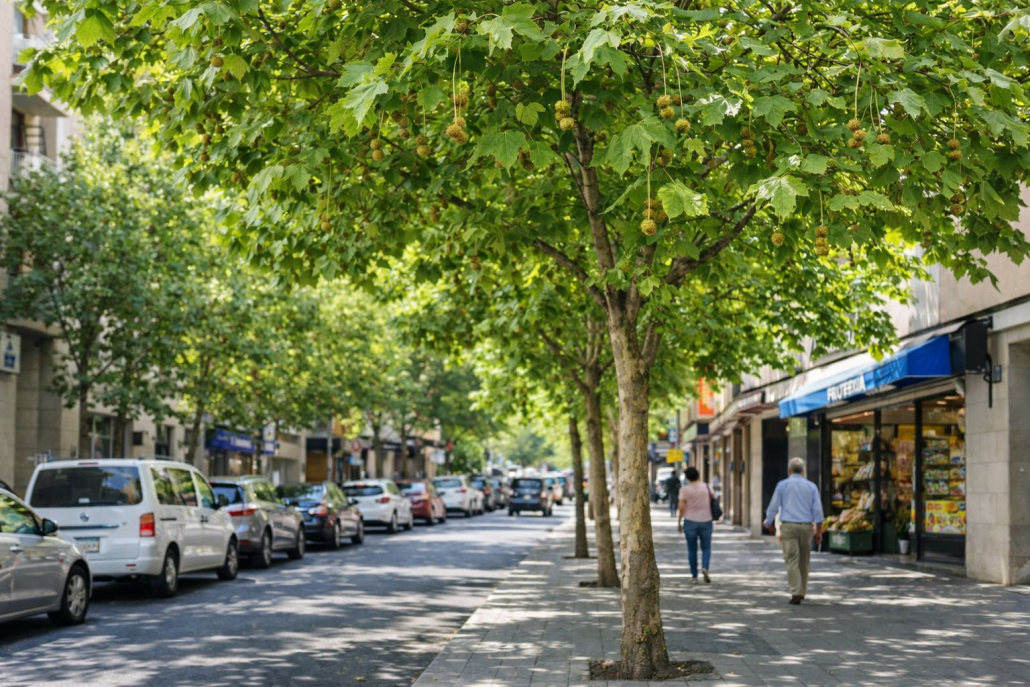
Plane tree pollen allergy (Platanus hispanica) is one of the most common causes of respiratory allergies in urban environments. This tree is widely used in streets, parks, and avenues due to its resistance and ability to provide shade, which explains its high presence in cities.
The problem appears in spring, when large amounts of pollen are released into the air over a short but very intense period, leading to high exposure—even in people with no previous history of allergies.
When is plane tree pollen most prevalent?
The period of highest pollen concentration—especially for plane trees—typically occurs:
- Late March and throughout April, which represents the main and most intense pollination peak in most cities in Spain.
- Climate and geographic variations: Although this is the general pattern, plant development depends on climate. In areas with milder winters, pollination may begin as early as early March. In colder years or northern regions, the season may extend into May.
- Nature of pollination: A key feature of plane tree pollen is that it is released over a short but highly intense period. Unlike other pollens with longer seasons, plane trees release a large amount of allergens within just a few weeks (often less than 4–6 weeks). The pollen is easily dispersed by wind, leading to very high concentration peaks over short periods of time.
This spring period can create high allergen load episodes, especially in cities with a high density of these trees. On dry and windy days, airborne pollen levels can become extremely high, worsening symptoms of allergic rhinitis and conjunctivitis in many people.
What are the symptoms of plane tree pollen allergy?
Although pollen allergy symptoms can resemble other respiratory conditions, they are typically sudden in onset and seasonal, coinciding with pollen release during spring.
The most common symptoms include:
Nasal symptoms (Allergic Rhinitis):
- Frequent sneezing, often in bursts
- Nasal congestion (blocked nose)
- Runny nose (rhinorrhea), usually clear and watery
- Itching of the nose, throat, and palate
Eye symptoms (Allergic Conjunctivitis):
- Red eyes
- Excessive tearing
- Intense itching, often leading to frequent rubbing
Other respiratory symptoms:
- Dry, irritating cough, often caused by airway irritation or postnasal drip
The combination of nasal and eye symptoms is medically known as seasonal allergic rhinoconjunctivitis, the most common manifestation of pollen allergy.
In cases of more intense exposure or in individuals with higher sensitivity (especially children or those with a history of allergies), this condition may progress to allergic asthma, with more severe symptoms such as:
- Shortness of breath (dyspnea)
- Wheezing (whistling sounds when breathing)
- Chest tightness
Proper diagnosis and treatment are essential—not only to relieve current symptoms but also to prevent progression to asthma.
How to tell the difference between pollen allergy and a cold
This is one of the most common questions during pollen season: Is it an allergy or just a cold?
The key differences lie in:
- The presence or absence of fever and general malaise
- The intensity of itching
- The pattern and recurrence of symptoms
If symptoms include itchy eyes and nose, repeated sneezing, watery nasal discharge, and occur every spring, allergy is very likely.
If there is general discomfort, sore throat, fever, thicker mucus, and symptoms last about a week, it is more likely a common cold.
Although early symptoms may seem similar, there are important differences:
- Allergy is an exaggerated immune response to harmless substances like pollen, causing the release of histamine and other mediators.
- The common cold is an acute viral infection of the upper respiratory tract, usually caused by rhinoviruses.
| Symptom | Distinctive Features Suggesting Allergy | Distinctive Features Suggesting a Cold |
| Fever | No fever: The presence of fever or significant general discomfort strongly suggests an infection rather than an allergy. | Fever may be present (usually mild, but possible), along with general discomfort, muscle aches, headache, and a feeling of fatigue. |
| Itching | Intense itching is the main symptom: This is the hallmark of allergy. It typically affects the eyes (allergic conjunctivitis, with tearing and swelling), the nose (intense nasal itching), and often the throat or palate. | Little or no itching: Congestion and sore throat are more prominent. |
| Nasal discharge | Watery nasal discharge: Usually clear, very abundant, and constantly dripping. | Nasal discharge: It may start as watery but quickly becomes thicker, denser, and often yellowish or greenish. |
| Sneezing | Frequent, repetitive sneezing fits: Sneezing often occurs in bursts. A person with allergies may sneeze 10 or more times in a row. | Sneezing may occur, but it is usually not in bursts or as persistent as in allergies. |
| Eyes | Eyes are significantly affected, with itching, redness, and tearing (allergic conjunctivitis). | Eye symptoms are uncommon: There is typically no itching or allergic conjunctivitis, although the eyes may appear slightly watery due to congestion. |
| Temporal pattern | Recurrent and seasonal symptoms: They appear every year at the same time (spring, and sometimes autumn or summer, depending on the type of pollen—grasses, olive tree, cypress, etc.) and usually improve or disappear once the pollen season ends. | Not seasonal: It can occur at any time of the year, though it is more common in winter. It does not recur at the same time each year. |
| Triggers | Worsen outdoors and on windy days (when pollen is dispersed). They improve indoors or after rainfall (which helps clear pollen from the air). | Not related to outdoor exposure or pollen: It is caused by viral infection and spread through contact. |
| Duration | Persist as long as exposure to the allergen continues, and may last for weeks or even months. | Self-limiting condition: It usually lasts 7 to 10 days. |
| Treatment | Respond well to antihistamines and nasal corticosteroids. | Treatment is symptomatic: Pain relievers and decongestants may help. It does not respond to antihistamines in the same way as allergies. |
Can plane tree pollen allergy cause asthma?
Yes, involvement of the lower respiratory tract is a possible complication and often occurs alongside allergy symptoms, especially in patients whose allergy is not well controlled. The symptoms reflect inflammation of the lower airways (bronchi and bronchioles) in response to the same allergen that causes rhinitis.
The main signs of this lung involvement include:
- Shortness of breath (dyspnea): Experienced as a feeling of not getting enough air or labored breathing. It is a key symptom indicating airflow obstruction or restriction.
- Chest tightness: This discomfort is caused by contraction of the smooth muscles surrounding the bronchi (bronchospasm) and inflammation of the bronchial lining, which narrows the airways.
- Wheezing: High-pitched, whistling sounds, especially when exhaling. These occur when air passes through narrowed airways.
This group of symptoms is characteristic of allergic asthma (also known as extrinsic asthma).
It is important to understand that allergic rhinitis (affecting the upper airways: nose and throat) and allergic asthma are not separate conditions. In fact, they often occur together, a concept known as “one airway, one disease” (Allergic Rhinitis and its Impact on Asthma – ARIA).
Both are clinical manifestations of the same IgE-mediated immune response to a specific allergen, differing only in the anatomical location of the inflammation.
Comprehensive allergy management is essential to control both nasal and respiratory symptoms, helping to prevent the development or worsening of asthma.

What measures can help prevent symptoms of plane tree pollen allergy?
To minimize the impact of high pollen levels in the environment and significantly reduce exposure, the following preventive measures are recommended:
Avoid direct outdoor exposure
- Limit time under trees and in green areas: Avoid walking or spending long periods in areas with high vegetation, especially during peak pollen release times (typically early morning and mid-afternoon). Consider choosing routes with less vegetation.
- Monitor pollen levels: Check daily pollen counts in your area through weather services, specialized apps, or allergy association websites. This will help you plan outdoor activities on days with lower pollen levels.
Control the indoor environment
- Keep windows closed: On days with high pollen levels, windy conditions, or after dry storms (when pollen is easily dispersed), keep windows closed at home and in the car.
- Use air purifiers and filters: Consider using air purifiers with HEPA filters (High Efficiency Particulate Air), especially in bedrooms, to trap airborne pollen particles.
- Regular cleaning: Clean your home more frequently using vacuum cleaners with HEPA filters and damp cloths to remove pollen from surfaces. Avoid drying clothes outdoors, as pollen can stick to fabrics.
Personal protective measures
- Wear sunglasses and a mask:
- Sunglasses: Wraparound sunglasses help create a physical barrier against pollen, reducing eye irritation.
- Face masks: Certified masks (such as FFP2 or surgical masks, depending on sensitivity) can effectively filter inhaled pollen particles.
Personal hygiene after coming home
- Shower and change clothes: After being outdoors, it is highly recommended to shower (including washing your hair) to remove pollen from the skin and hair. Change clothes and wash them to prevent pollen from spreading indoors.
- Nasal and eye rinses: Using saline solutions for nasal and eye washes can help remove pollen from the mucous membranes and relieve congestion and irritation.
Additional considerations
- Driving: Keep car windows closed and use air conditioning with a pollen filter.
- Gardening: If you have a garden, avoid activities such as mowing the lawn or handling flowering plants if you are allergic. If unavoidable, wear a mask and protective glasses.
Following these measures consistently during peak pollen seasons can significantly improve symptom control and quality of life.
If symptoms persist or become severe, it is important to consult a doctor or allergist.
How is plane tree pollen allergy diagnosed?
Diagnosis should be made by an allergy specialist and typically includes:
- Skin prick tests
- Detailed medical history
- Blood tests (in some cases)
These evaluations help identify the specific allergen and allow for personalized treatment.
What is the treatment for plane tree pollen allergy?
Treatment depends on the severity of symptoms and may include:
- Antihistamines
- Nasal corticosteroids
- Eye drops for allergic conjunctivitis
- Bronchodilators (if asthma is present)
- Immunotherapy (allergy shots) in selected cases
Treatment should always be prescribed and supervised by a medical specialist.
